

מאמרים, ספרים ואירועים בנושא Education
מאמרים

Israel's Education System Has Lost its Compass
מאת: ד"ר תמי הופמן
The education system is obligated to create, for all students in Israeli society, a common foundation for life in a Jewish and democratic state. This includes the ability of students to engage in difficult discussions and requires educators who are grounded in civic responsibility and democratic values.

(Non-)Enforcement of the Core Curriculum Requirement in ultra-Orthodox Boys’ Education
מאת: ד"ר אריאל פינקלשטיין
Despite clear indications that a significant number of ultra-Orthodox boys’ schools do not teach core subjects as required by law, hardly any face penalties from the Ministry of Education. The few penalties that are imposed are minor.

The Iran War and Lessons for Israel's Education System
As the school system shuttered yet again in the war with Iran, Israeli society debates everything from safety to solidarity, but leaves out a critical virtue: the education of our children. Israel's ultra-Orthodox society, in spite of its refusal to be part of the Israeli collective experience, puts education at the core of its value system – what can the rest of the Israeli public learn from them?

Amid the Wave of Emigration, It's Time to Rethink Our Approach to the Israeli Diaspora
מאת: מריאן מטיאש
Amid rising emigration, Israel must recognize the value of its global Israeli community, strengthen ties through dedicated educational initiatives, and create conditions that encourage return—turning today’s challenge into a long-term national asset.

Yellow Stars and Yellow Ribbons: Lessons and Limits of Linking Holocaust Memory to October 7
מאת: ד"ר תמי הופמן
Linking October 7 to the Holocaust shapes Israeli memory and identity—but while the parallels evoke deep emotion, this connection must also serve as a call for democratic resilience, not a retreat into victimhood.

Budget Allocation to the Ultra-Orthodox Education System Under 2025 Coalition Agreements
מאת: רוני ברבוי, Dr. Neri Horowitz
A "nuts and bolts" review of the coalition agreement related to Haredi education in the 2025 State budget.

Proposed Legislation Expands Permitted Gender Separation in Academia
While it’s important to facilitate the integration of Haredim into academia and the workforce, seperate graduate program for men and women can be harmful to the rights of women and often clashes with the law that prohibits gender-based discrimination in public places.

Fake or Not Project for Media Literacy: Knowledge, Tools, and Skills for Educators in Educational and Social Spaces.
מאת: Education Policy Program
The "Fake or Not" initiative emerged after the outbreak of the "Iron Swords" war, from an understanding of the need to emphasize media literacy in educational and social institutions.

The 2024-2025 School Year Opens Amidst the War
מאת: ד"ר תמי הופמן, מיטל ברון
The education system is one of the primary arenas for addressing the challenges of tomorrow. Given that Israel's education system has children from different backgrounds going to different schools, addressing these challenges is particularly difficult.

October 7 and 9/11, As Taught In Classrooms
מאת: ד"ר תמי הופמן
The connection between October 7th and September 11th are not just in the magnitude of the tragedy and their ongoing global impact, but in the messaging and paradigms introduced into the educational system, as it attempts to tackle this fateful event. The education system has a critical role to play in allowing society to deal constructively with the consequences of the current war.

נגן
Education and Democracy
מאת: ד"ר תמי הופמן
Dr. Tammy Hoffman, Director of IDI's Education Policy Program explains why the current political and social crisis in Israel is related to the education system and why there cannot be democracy without educating toward democracy.

Without Education for Democracy, There Can Be No Democracy
מאת: ד"ר תמי הופמן, מיטל ברון
Marking the beginning of the new school year, a special survey was conducted asking the public whether they agree that it is the teacher's role to education for democracy. Almost three-quarters of the respondents agree that it is.

On the Haredi Educational System
This explainer will cover the current structure of the Haredi education system, its pedagogical requirements and the budgets it receives from the Government.

Can There Be Education without Democracy?
מאת: ד"ר תמי הופמן
Education can exist without democracy - however democracy cannot exist without education for democracy

Israel's Teachers Must Not Stifle Discussions on Current Events
מאת: ד"ר תמי הופמן
If the teachers in the state system do not address current events and introduce their pupils to diverse worldviews, Israeli schools will continue to exist as a bubble.

New School Year, Same Old Story
מאת: ד"ר תמי הופמן
In order to make a fundamental change we must start treating teaching as a national-priority profession

Taking Attendance: Arab Teachers and Students in Israel’s Education System
Israel is at a shortage of teachers that is forcing schools to take drastic measures, but the Jewish schools are still not hiring Arab teachers.

We Must not Squander the Opportunity for Real Change in Israeli Schools
מאת: ד"ר תמי הופמן
How many generations of Israelis will be educated without the tools they need to commit to the values of inclusion, respect for the other, and equality?
Education. For Democracy. Now.
מאת: ד"ר תמי הופמן
The education system must cultivate political and civic literacy of today’s pupils and tomorrow’s citizens

Why Don't We Talk to the Teachers?
מאת: ד"ר תמי הופמן
The pandemic offers a chance for much-needed educational reform, but the hasty return is raising fears that the opportunities presented by the crisis for truly driving the education system forward into the 21st century are being missed

What Should we be Studying in Times of Corona?
מאת: ד"ר תמי הופמן
We should take advantage of the opportunity that the coronavirus presents to improve our children's education.

A History Lesson
Experience and history repeatedly teach us that what was once widely accepted as an irrefutable truth can be revealed to be a total falsehood.

Israel's Tragedy: One Country, Separate School Systems
מאת: ד"ר שוקי פרידמן
IDI's Shuki Friedman laments the existence of separate education systems for each sector of Israel's population, which reinforce, rather than bridge societal divides. This op-ed first appeared on Times of Israel.

A New Approach To Dealing With Israel’s Ultra-Orthodox
מאת: פרופ' ידידיה שטרן
Israel needs to abandon the vindictive approach of trying to reform ultra-Orthodox society through force and budget cuts, and rather start investing heavily in education and job creation in the ultra-Orthodox sector. This op-ed was first published in the New York Jewish Week.

Social Networks: The Tools of Tyrants and Democrats Alike
Dr. Tehilla Shwartz Altshuler says rejoicing over the death of television and the birth of “intervision” is premature. This column was originally published by Times of Israel.

Standing Up for Democracy
מאת: פרופ' מרדכי קרמניצר
One of the most fundamental principles of democratic government is the delicate system of checks and balances that prevents the arbitrary exercise of power by the majority. Israel, the sole democracy in a dangerous and unstable neighborhood, has long been an exemplar of these checks and balances. We cannot allow Israel's democratic foundations to gradually erode. Israel’s survival and prosperity hinge, in the final analysis, on its democratic vitality.

Rabin memorial into ‘Israeli Democracy Day’
מאת: פרופ' ידידיה שטרן
In this memoir, Prof. Yedidia Stern recounts the murder of Prime Minister Yitzhak Rabin and calls on the Israeli public to turn that horrid day into an annual “Israeli Democracy Day." This article was first published in the Jerusalem Post.

Education for Democratic Values and Combating Racism through Education
מאת: פרופ' מרדכי קרמניצר, Noam Lautman
IDI Vice President Prof. Mordechai Kremnitzer and Noam Lautman, Chairman of the Lautman Fund, recommend ways in which the Israeli educational system can strengthen democratic values, and warn that students should not be forced to choose between two competing alternatives—Israel as a nation-state or as a "state of all its citizens."

Ultra-Orthodox Integration: It Takes Two to Tango
מאת: ד"ר חיים זיכרמן
In an op-ed in Ynet News, IDI researcher Dr. Haim Zicherman discusses the steps that Israeli society must take in order to enable ultra-Orthodox men to integrate into the Israeli army and workforce.
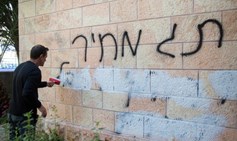
Price Tag Attacks: Racist Crimes
מאת: ד"ר עמיר פוקס
In an article in <em>Haaretz</em>, Attorney Amir Fuchs stresses the need to wage a genuine war against racism, in order to preserve the values of Zionism and safeguard the Jewish and democratic state.

Holocaust Studies for Preschoolers: Another Missed Educational Opportunity?
מאת: ד"ר אריק כרמון
In a <em>Times of Israel</em> op-ed, Dr. Arye Carmon advocates a new approach to educating Israeli school children about the Holocaust, which will humanize both the victims and the perpetrators.

From Institutions to Community Housing
מאת: הרב ד"ר בנימין לאו
Rabbi Dr. Benjamin Lau, head of IDI's Human Rights and Judaism in Action project, presents the transition from institutions to homes in the community for people with disabilities as a Jewish imperative.

Analysis of Scholastic Achievement Disparities between the Arab and Jewish Sectors: The PISA Tests, 2000 to 2009
מאת: Leah Borovoi, Avital Manor, Nabil Khattab
Research conducted by IDI's Arab-Jewish Relations project reveals a disparity between student achievement in the Jewish and Arab sectors. This abstract points to the variables that explain these disparities.

A Memory and its Lessons
מאת: ד"ר אריק כרמון
In an op-ed originally published in the Globes financial daily, IDI Former President and Founder Dr. Arye Carmon recalls attending the trial of Adolf Eichmann as a teenager in Jerusalem and reflects on the meaning of the Holocaust for Israelis in 2011.

Coercive Imposition of Western Culture
מאת: הרב יצחק לוי
In this article from Haaretz published on October 3, 2010, Former Education Minister Rabbi Itshak Levi, head of Policy Implementation at IDI, objects to the cultural coercion involved in a mandatory core curriculum, and advocates requiring only the study of Hebrew and Civics of all students in Israel.
Immigrants and Crime: The Case of FSU Immigrants to Israel
מאת: Michael Philippov
Researcher Michael Philippov exposes stereotypical views of Russian immigrants and suggests that criminality is a product of Israeli society's obtuseness and indifference. He encourages Israel to consider Aliyah absorption seriously and to focus on fundamental problems such as the lack of development of the peripheral regions and insufficient investment in education.
Reimagining Education
מאת: Eli Hurvitz
COVID-19 is an opportunity to rethink education - and the success of a handful of teachers and students during the pandemic points the way forward to schooling that aligns with tomorrow's needs

Policy Recommendations for the Minister of Education
מאת: ד"ר תמי הופמן
After three contentious election campaigns, Israel's new government has been sworn in. IDI's experts weigh-in with their recommendations on the most important issues on the agenda. Dr. Tammy Hoffman outlines policy recommendations for the new Minister of Education.

A Moment of Reckoning for the Education System
מאת: ד"ר תמי הופמן
Israel is not adequately preparing its younger generation to be responsible citizens and must work now to improve its civics education curriculum.

Time to Include Arabs among the Decision-Makers
The state and its Arab leadership, not only the political leadership, must work together to bring as many Arab citizens as possible into the decision-making echelons.

Opportunities Now: Arab Employment in the Galilee
The north presents real opportunities for Israel’s society and economy. Turns out that the solutions have been in plain sight all along.

Proposed Ethics Code for Universities: IDI Leaders Respond to Minister Bennett and Members of the Council for Higher Education
‘Contrary to earlier reports, there is no similarity between the proposed code of ethics and the American code’
IDI Statement on Naftali Bennett's New Ethics Code
“Such an ethical code tramples freedom of expression with a heavy foot."